

Quick answer: The best pillow after facelift is usually a wedge pillow or contoured neck pillow that keeps your head elevated and helps prevent you from rolling onto your side. This support can reduce swelling, protect healing facial tissues, and make it easier to sleep comfortably during early recovery. For best results, follow your surgeon’s specific aftercare instructions.
Have you ever wondered how something as simple as your pillow could impact your facelift recovery? Choosing the best pillow after a facelift can make a meaningful difference in your comfort, sleep quality, and ability to maintain a safe sleeping position while you heal.
The right recovery pillow does more than give you a place to rest your head. It can help support your neck, protect delicate facial tissues, reduce unnecessary movement, and make the early healing process feel more manageable.
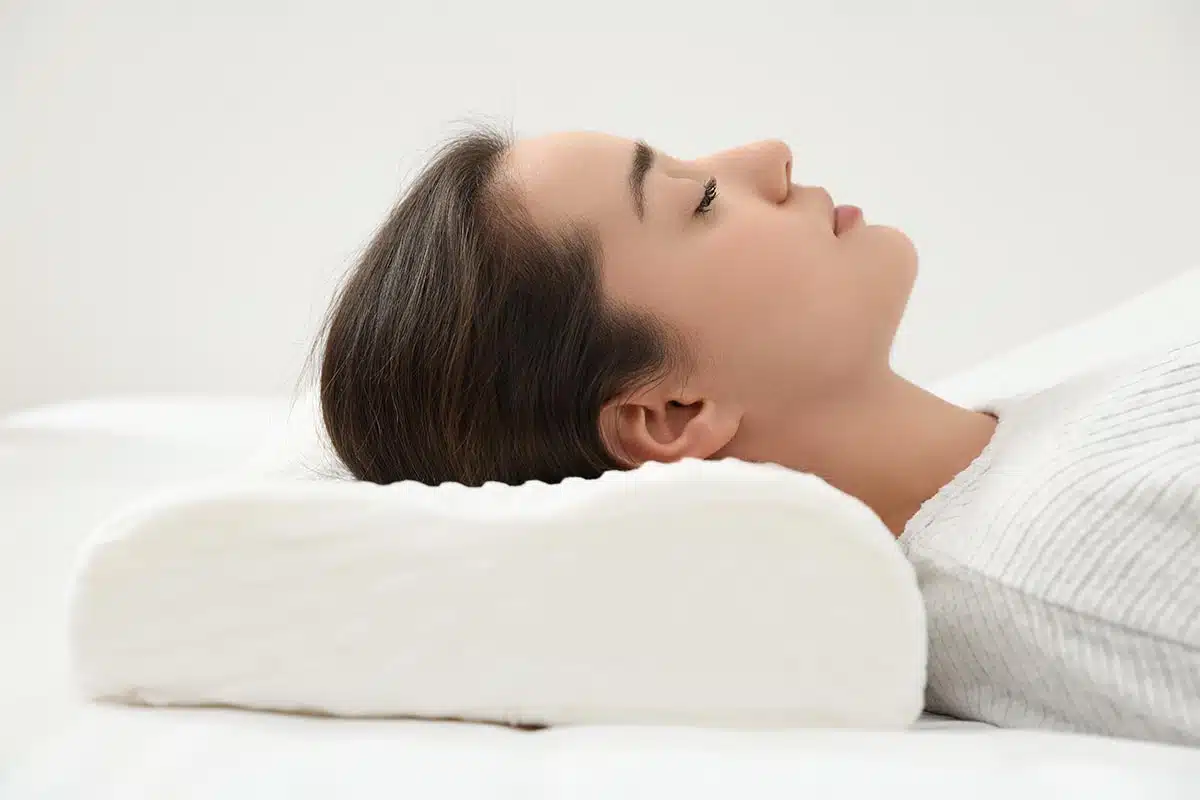
Key Takeaways
- A wedge pillow or contoured neck pillow is usually the best option after a facelift.
- Keeping your head elevated can help minimize swelling and support proper healing.
- The right recovery pillow can help prevent rolling, turning, or placing pressure on your face.
- Flat, overly soft, or unsupportive pillows are not ideal during early facelift recovery.
- Always follow your surgeon’s instructions for sleeping position, elevation, and recovery timing.
What Is the Best Pillow After a Facelift?
The best pillow to use after a facelift depends on a few key factors, which we’ll discuss later in this article. However, as a general guideline, you’ll want something that prevents you from rolling over during the night while providing proper support. A neck contour pillow or a wedge pillow is often the go-to choice for many patients.
These supportive pillow options help maintain your posture, reduce strain on healing tissues, and make it easier to adjust to your new sleeping position. By limiting movement during the night, you give yourself the best chance at restful sleep and smoother healing.
The American Society of Plastic Surgeons notes that recovery after facial procedures, such as a facelift, may require sleeping on your back with your face elevated.
What to Look for in a Facelift Surgery Recovery Pillow
During bedtime, standard pillows and even many traditional pillows often fail to provide the targeted support needed after surgery. They may allow too much movement or fail to keep your head elevated, potentially slowing healing. A specialized recovery pillow after facelift surgery is designed to maintain proper alignment, support elevation, control swelling, and reduce pressure points, features we’ll explain in detail below.
Swelling Control
After a facelift, controlling swelling and bruising is a top priority for ensuring comfort and promoting optimal healing. Specialized recovery pillows are designed to gently cradle the head and neck, minimizing pressure on delicate facial tissues. By keeping the head elevated, these pillows help reduce fluid buildup in surgical areas, leading to a smoother recovery and improved overall comfort during rest.
Cleveland Clinic notes that bruising and swelling after facelift surgery commonly last about two to three weeks, although healing timelines vary from patient to patient.
Elevation
Maintaining an elevated head position is one of the most effective ways to promote proper healing after a facelift. Specialized recovery pillows, such as wedge designs, support not just the head but the entire upper body, helping to reduce fluid retention and minimize discomfort. This positioning also decreases tension on surgical sites, aiding in faster recovery and more restful sleep.
Pressure Reduction
Protecting healing tissues from unnecessary strain is essential during the recovery phase. Specialized pillows offer gentle support that helps distribute weight evenly, avoiding pressure on sensitive areas. This is especially important for safeguarding sutures and ensuring they are not disturbed while you rest, allowing surgical areas to mend more efficiently.
Comfort
True comfort during recovery comes from more than just softness—it’s about maintaining proper neck and head alignment to avoid stiffness and pain. The best recovery pillows are designed to cradle the natural curve of your neck and provide balanced support for your neck and shoulders. This thoughtful design minimizes muscle tension, enhances relaxation, and allows you to rest peacefully while your body focuses on healing.

Secure Your Safe Treatment Experience with Dr. Kam
Join our satisfied clients who’ve experienced safe, effective treatments.
Types of Facelift Recovery Pillows
Finding the right recovery pillow often means exploring designs that go far beyond regular pillows. Each type offers distinct advantages for post-surgery care, from improving head and neck positioning to reducing swelling and keeping you comfortable throughout the night. Below, we’ll outline some of the most common and effective pillow styles for facelift recovery so you can choose the one that best meets your needs.
| Pillow Type | Best For | Use During Early Recovery? |
|---|---|---|
| Wedge pillow | Keeping the head and upper body elevated while sleeping | Yes |
| Neck-cradling cushion | Supporting the neck and limiting side-to-side head movement | Yes |
| Airline-style pillow | Supplemental support when resting upright or using a wedge pillow | Yes, as an add-on |
| Husband pillow | Sitting up to read, watch TV, or relax in bed | Not ideal for sleeping |
| Side-sleeping pillow with face cutout | Reducing facial pressure during later recovery stages | Usually later only |
| Memory foam pillow | Added contouring and pressure relief in wedge or neck-support designs | Depends on design |
| Down pillow | General comfort after the early recovery stage | Not ideal early on |

Wedge Pillows
One of the most popular and effective options, wedge pillows provide a gradual slope that supports both the head and upper body. This elevated position helps reduce swelling, improve circulation, and keep you from rolling onto your side during sleep. Wedge pillows are also versatile, offering stability while maintaining comfort, making them a go-to choice for many facelift patients.

Neck-Cradling Cushions
Broader in design but equally effective, neck-cradling cushions are shaped to support the natural curve of your neck and stabilize your head throughout the night. Unlike a standard neck pillow, these cushions are often contoured to prevent unwanted movement and maintain proper alignment. This style is ideal for patients who prefer a softer feel while still getting the firm, targeted support needed during facelift recovery.
“Husband” Pillows
While not the best choice for sleeping after a facelift, “husband” pillows can still be quite useful during recovery. These large, upright cushions with armrests provide excellent back support, making them ideal for reading, watching TV, or relaxing in bed without straining your neck or facial area. However, they don’t prevent head tilts or offer significant neck stabilization, so they work best as a comfort aid rather than a primary recovery pillow.
Airline-Style Pillows
Shaped like a “U” to wrap around the neck, airline-style pillows are designed to prevent your head from tilting sideways while resting in an upright position. They can be especially useful when combined with a wedge pillow or recliner, helping keep your head stable and reducing the risk of accidental turning during sleep. While not a complete solution on their own, they provide valuable supplemental support for maintaining a secure and comfortable position during facelift recovery.
Side-Sleeping Pillows (with face cutouts)
Although more niche for facelift recovery, side-sleeping pillows with face cutouts can be helpful in certain situations. They are designed to allow you to rest on your side without placing pressure on your face, making them more common after ear or eyelid surgeries. Some facelift patients may benefit from them in later recovery stages, as many surgeons advise waiting about 2 to 4 weeks before sleeping on your side after a facelift to protect healing tissues and minimize swelling. Used at the right time, they can offer a comfortable alternative while still minimizing facial contact.
Memory Foam Pillows
Rather than a specific pillow style, memory foam is a material used in many different pillow designs to enhance comfort and support. Its ability to conform to the shape of your head and neck can help maintain proper alignment, reduce pressure on sensitive facial areas, and improve overall restfulness during recovery. Whether in a wedge, contour, or neck-cradling pillow, memory foam can offer a customized feel that adapts to your needs as you heal.
Down Pillows
Similar to memory foam, down refers to the material rather than a distinct pillow style. Down pillows are considered a standard in many households and are valued for their softness and luxurious feel. However, regular “every night” pillows made with down often lack the structure needed for facelift recovery; they typically don’t support the neck adequately or prevent unwanted movement during sleep. While comfortable, they are best reserved for later in the recovery process when stability is less critical.
patient results
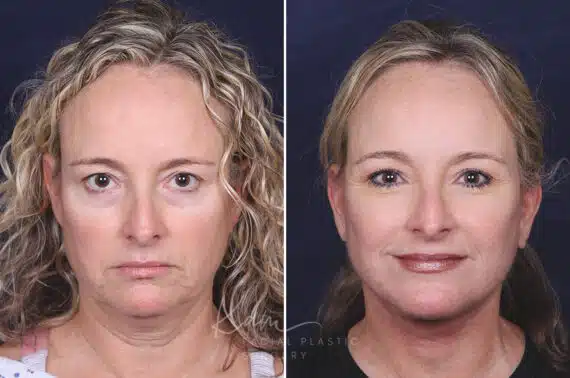
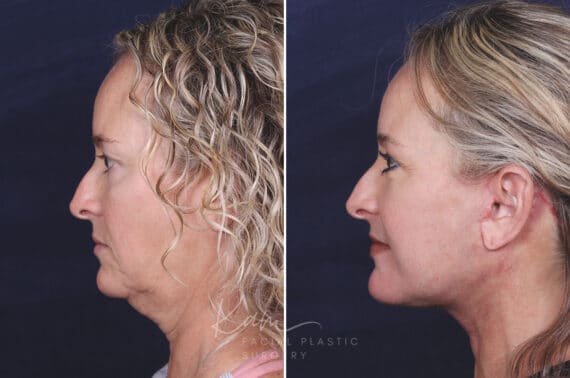
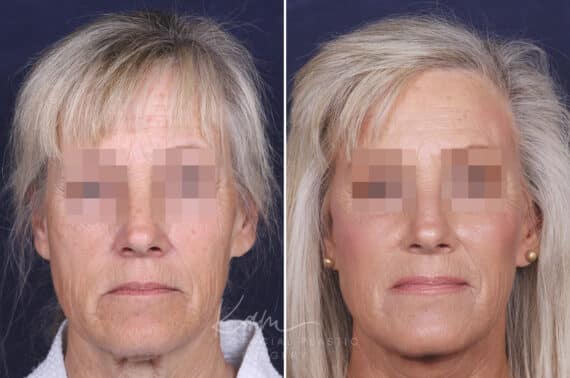
* All patients are unique and individual results may vary.
Pillows to Avoid After a Facelift
During early recovery, avoid flat, overly soft, or unsupportive pillows that allow your head to turn or drop too low. Regular down pillows may feel comfortable, but they often lack the structure needed to maintain elevation and protect healing facial tissues.
How Long Should You Use a Recovery Pillow After a Facelift?
Many patients use a recovery pillow for at least the first 1 to 2 weeks after facelift surgery, or until swelling and tenderness improve. Your surgeon may recommend using it longer depending on your healing progress and when you are cleared to return to your usual sleeping position.
Schedule a Consultation With a Facial Plastic Surgeon
The best way to ensure a smooth facelift recovery and optimal results is to work closely with a trusted facial plastic surgeon. During your consultation, Dr. Kam will evaluate your goals, explain the procedure, and provide personalized recommendations, including how to protect your results during recovery. Call us at 856-565-2903 or visit our contact page to schedule a consultation.
Frequently Asked Questions About Facelift Recovery and Sleeping Positions
About the Author
Dr. Joanna Kam is a board-certified otolaryngologist and fellowship-trained facial plastic surgeon at Kam Facial Plastic Surgery, with offices in Sewell and Voorhees Township, NJ. She completed her facial plastic and reconstructive surgery fellowship at the University of Pennsylvania and focuses exclusively on the face and neck.
Known for natural-looking results and a patient-first approach, she helps each person choose the technique that fits their anatomy and goals.