

Many patients in New Jersey want to know how to prepare for a facelift in a way that supports a smooth experience and helps them feel confident on surgery day. A little preparation goes a long way, especially when planning a facelift procedure that is tailored to the face and neck. Whether you are considering a facelift or a face and necklift, taking the right steps ahead of time can make your facelift surgery feel less overwhelming and set you up for a more comfortable recovery.
Working with a fellowship-trained, double board-certified facial plastic surgeon like Dr. Joanna Kam means you will receive clear, individualized guidance throughout the entire process. Still, understanding the general steps before your initial consultation helps you know what to expect and empowers you to take an active role in your care.
Below are the key things to know as you begin planning, starting with a quick overview of what this article covers and practical ways you can prepare for your procedure.

What to Know Before Your Facelift
- Preparing well helps you feel more confident and organized before facelift surgery.
- A medical evaluation and review of medications ensure you are ready for your procedure.
- Healthy habits, good skin and hair care, and lifestyle changes all support your healing process.
- Setting up your home and arranging support makes recovery more comfortable.
- Asking questions during your initial consultation helps you understand the instructions specific to your needs.
Understanding Your Facelift Procedure
A facelift, technically known as rhytidectomy, is a facial plastic surgery procedure designed to improve the appearance of aging in the lower face and can be performed with a necklift. While there are several approaches, many patients choose a deep plane facelift when they want more structural lifting and natural-looking results. This technique addresses deeper facial layers rather than relying on surface tightening alone, which can be especially helpful for patients experiencing jowls, sagging cheeks, or fullness along the jawline.
During your consultation, Dr. Kam will explain the differences between facelift procedures, assess your facial anatomy, and recommend the surgical procedure that best aligns with your goals. Understanding these options early on helps you plan effectively and feel confident moving forward. This is also the time to talk about recovery time, incision placement, your medical history, and any prescription medications or over-the-counter medications you take.
Step One: Schedule Your Initial Consultation
Preparing for a facelift begins with a thorough consultation. This appointment includes a medical evaluation, a discussion of your goals, and a review of your skin, facial structure, and overall health. Since every procedure is customized, your surgeon will use this time to understand your priorities and create a plan that fits your needs.
Bring a list of any medications, supplements, and herbal products you take. This allows Dr. Kam to review potential interactions and provide personalized preoperative instructions. This is also a great time to ask questions, discuss possible complications, and learn more about the healing process and expected results.
Patients often find it helpful to bring photos of how their face looked years earlier. These can help guide the conversation about restoring natural contours without changing your appearance.
Step Two: Follow Your Medical Evaluation and Pre-Surgery Instructions
Once your consultation is complete, the next step involves following the medical evaluation requirements and any instructions specific to your surgery. These steps ensure your body is prepared and help reduce risks.
Your medical evaluation may include:
- Lab work
- Health clearance from your primary doctor
- A review of any chronic conditions
- An assessment of prescription medications and supplements
Certain medications and supplements can increase bleeding risk or affect anesthesia. You may be asked to stop taking aspirin, ibuprofen, blood thinners or herbal supplements for a period of time before facelift surgery. If you take prescription medications for chronic conditions, Dr. Kam will provide clear instructions about which medications to continue, pause, or adjust. Be sure to review these instructions carefully and follow them as directed.
If you smoke or vape, you will be asked to stop ahead of surgery. Nicotine reduces blood flow to the skin and can affect healing. Stopping several weeks before surgery supports a safer procedure and smoother recovery.
patient results
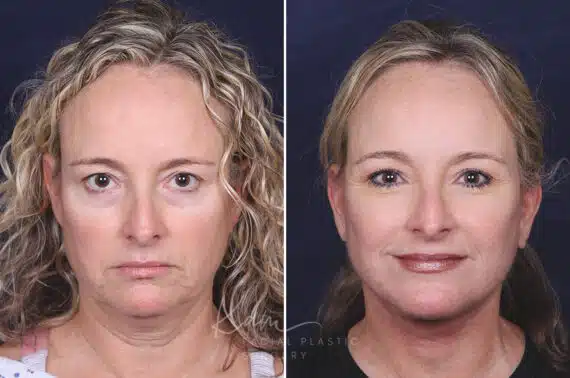
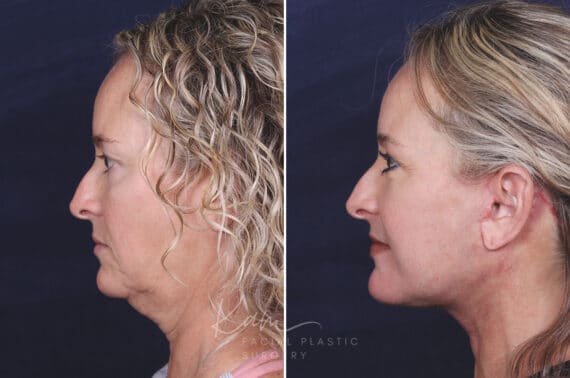
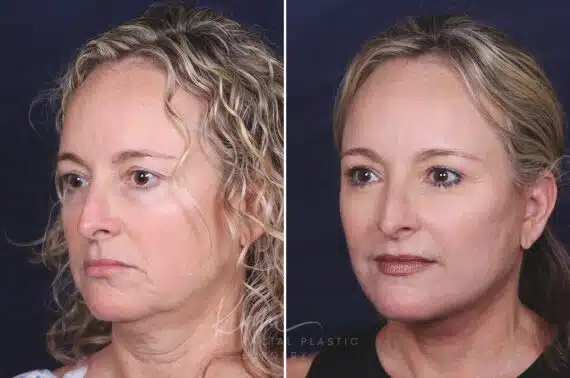
* All patients are unique and individual results may vary.
Step Three: Prepare Your Skin and Hair Before Surgery
Healthy skin helps support a comfortable recovery and can influence how incisions heal. In the weeks leading up to your facelift, focus on gentle, consistent skin and hair care. You do not need to overhaul your routine, but establishing simple daily habits can support your results.

Here are a few ways to prepare:
- Cleanse your skin regularly with a gentle product.
- Moisturize daily to help maintain skin balance.
- Protect your face from sun exposure by using sunscreen.
- Avoid harsh treatments such as chemical peels or laser resurfacing unless recommended by your surgeon.
- Keep your hair clean and plan your style around incision placement so you feel more comfortable during recovery.
Hair care is especially helpful because you may not want to wash your hair for a few days after surgery. Planning ahead by having freshly cleaned hair and any necessary hair ties, clips, or headbands makes recovery days easier. Some patients also choose to grow their hair slightly longer before surgery so they can more easily disguise incision lines as they heal.
If you color your hair, consider scheduling your appointment a week or two before surgery so you do not feel the need for hair color treatments while healing.
Step Four: Understand Your Preoperative Instructions
Your pre-surgery packet will include preoperative instructions that outline what to do the night before and morning of surgery. These may include:
- When to stop eating and drinking
- Which medications to take or avoid
- Skin preparation for the face and neck
- What to bring with you on surgery day
- How to dress comfortably
- Timing for your arrival
Read these instructions several days ahead so you can ask any clarifying questions. Dr. Kam and her team will walk you through every step and help you understand exactly what will happen during the procedure.
Step Five: Prepare Your Home for a Comfortable Recovery
A smooth recovery begins with setting up your home environment before facelift surgery. Many patients find it helpful to create a dedicated space where they can rest comfortably without needing to get up often during the first few days.
Here are ways to set up your recovery area:
- Keep extra pillows nearby to elevate your head and support swelling.
- Place snacks, water, and medications within easy reach.
- Have a phone charger and small light close to your bed or recliner.
- Set aside loose, soft clothing that does not need to be pulled over the head.
- Keep towels, ice packs, and aftercare supplies in a convenient spot.
Planning for help is also important. You will need an adult to drive you home and stay with you during the first night. Having a plan for help in the days after surgery ensures you can focus on rest while minimizing strain. Patients with young children, pets, or demanding schedules should plan accordingly so they can focus fully on healing.
This preparation supports a more comfortable recovery and helps reduce stress during the early stages of the healing process.

Ready to Start Preparing for Your Facelift?
Take the first step toward a smoother, more confident facelift experience. Schedule your consultation with Dr. Joanna Kam in Voorhees or Sewell today.
Step Six: Understand Your Expected Recovery and Healing
Recovery time can vary depending on the type of facelift procedure performed. A deep plane facelift surgery may have a slightly longer healing window due to the deeper tissues involved, but the technique is designed to support long-lasting, natural results. Dr. Kam will outline what you can expect during the first weeks, including swelling, bruising, and gradual improvement in facial contour.
Most patients return to light activity within a couple of weeks, while full results develop gradually over time. Following your instructions closely plays a major role in how your incisions heal and how comfortable your recovery feels.
While complications are not common, understanding signs to watch for and knowing when to call the office help you feel supported throughout your journey.

Step Seven: Review Other Tips to Help You Prepare
There are several other tips that can make the process easier and help you feel more ready for surgery:
- Stay hydrated to support your body during healing.
- Eat balanced meals and include protein to support tissue repair.
- Limit alcohol before surgery as it can affect swelling and interact with medications.
- Prepare entertainment like books, movies, or music for downtime.
- Clear your schedule so you can rest during the early recovery period.
Small steps like these help ease stress and ensure you are focused on your well-being.
Why Choose Dr. Joanna Kam?
Choosing the right facial plastic surgeon is one of the most important steps in preparing for facelift surgery. Dr. Joanna Kam is a fellowship-trained, double board-certified facial plastic surgeon who focuses exclusively on procedures for the face and neck. Patients in Sewell and Voorhees value her meticulous approach, natural-looking results, and commitment to individualized care. Every facelift plan is tailored to your anatomy, your goals, and your comfort, ensuring you feel supported through each stage of the process. From the initial consultation to your final follow-up visit, Dr. Kam provides thoughtful guidance designed to help you look refreshed while still feeling like yourself.
Schedule Your Consultation Today
If you are considering a facelift and want personalized guidance on how to prepare, scheduling a consultation with Dr. Joanna Kam is the best place to start. Her expertise in traditional and deep plane facelift techniques allows her to recommend the approach that fits your needs and goals. Whether you are in Sewell, Voorhees, or a surrounding community, her team is ready to help you begin the process with confidence. To take the next step, contact Kam Facial Plastic Surgery to arrange your appointment and start planning your facelift with a trusted facial plastic surgeon.