A crooked nose can affect more than appearance alone. For many patients, nasal asymmetry is linked to breathing difficulties, facial imbalance, and long-standing self-consciousness. Whether the crooked appearance developed after a broken nose, from natural facial growth, or following previous surgery, rhinoplasty for crooked nose correction offers both cosmetic and functional improvement when performed with precision.
At Kam Facial Plastic Surgery, Dr. Joanna Kam provides advanced rhinoplasty surgery for patients in Sewell and Voorhees, focusing on restoring nasal symmetry, airflow, and facial balance. Crooked nose correction requires a highly individualized surgical approach, as every nose has unique anatomy and alignment concerns.
Straightening a Crooked Nose: Key Points to Know Before Rhinoplasty
- A crooked nose may develop from trauma, genetics, or internal structural issues like a deviated septum.
- Rhinoplasty surgery can address both nasal appearance and breathing problems in one procedure.
- Specialized techniques such as cartilage grafting help restore nasal symmetry and long-term structural support.
- Recovery is gradual, with refined results continuing to improve over several months.
- Choosing an experienced facial plastic surgeon is essential for lasting function and natural-looking results.
What Causes a Crooked Nose?
Nasal Trauma or Injury
A broken nose is one of the most common causes of crookedness. Impact during sports, accidents, or childhood injuries can shift the nasal bones and cartilage. Even injuries that occurred years earlier may leave the nasal bridge off center or the nasal tip deviated, affecting both appearance and airway function.
Genetics and Natural Facial Development
Some patients develop a crooked nose naturally if the facial bones grow unevenly. Subtle facial asymmetries can influence how the nose settles on the face, creating a crooked appearance despite no history of trauma.
Deviated Septum
The nasal septum separates the nostrils and supports nasal structure. When the septum bends or shifts, it can push the external nose to one side while narrowing the airway. This often leads to breathing problems as well as visible nasal asymmetry.
Previous Nasal Surgery
Prior rhinoplasty surgery may leave residual crookedness if healing was uneven or internal support weakened. Revision rhinoplasty for crooked nose correction often focuses on rebuilding nasal structure and restoring symmetry.
How Rhinoplasty Can Correct a Crooked Nose
Rhinoplasty for crooked nose correction is more complex than a standard nose job. The procedure must address both surface alignment and deeper structural asymmetries.
Straightening the Nasal Bones
Surgeons carefully reposition nasal bones to realign the nasal bridge. Controlled bone adjustments allow the nose to sit straighter while maintaining facial harmony.
Reshaping and Supporting Nasal Cartilage
Cartilage plays a major role in nasal shape. Reshaping and reinforcing cartilage improves nasal symmetry while preserving strength and stability.
Correcting Internal Structural Issues
If the septum is deviated or the airway narrowed, correction improves nasal function and breathing. Straightening and supporting the septum also helps prevent the nose from drifting back into a crooked position over time.
patient results
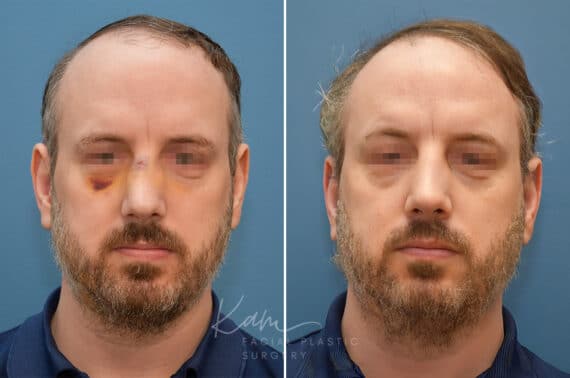
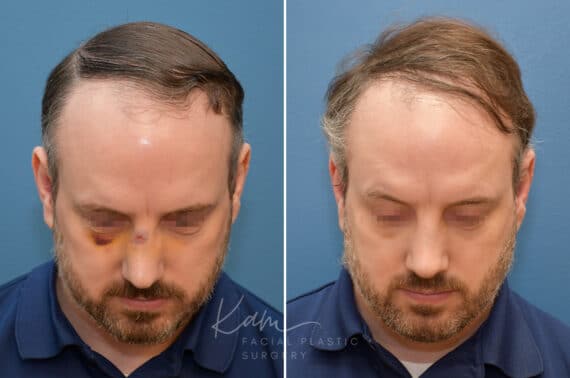
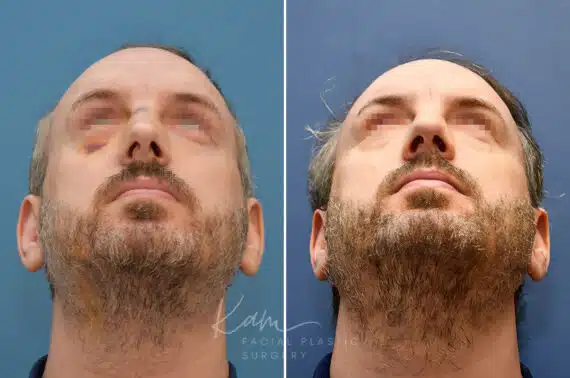
* All patients are unique and individual results may vary.
Surgical Techniques Used for Crooked Nose Rhinoplasty
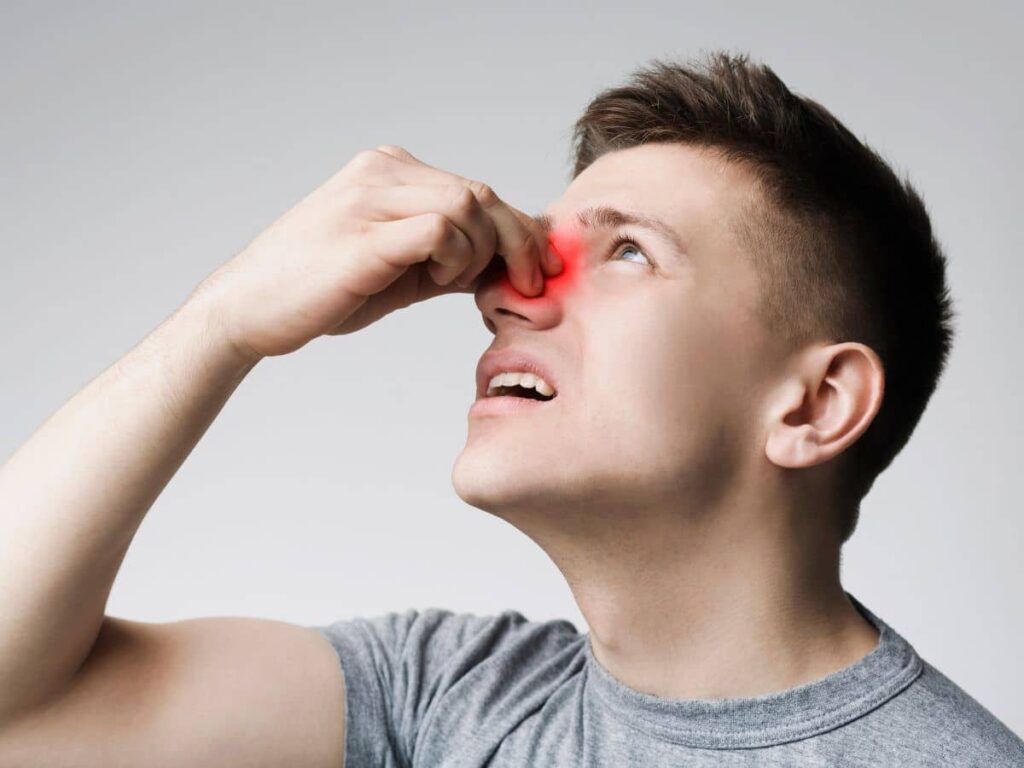
Most crooked nose cases benefit from open rhinoplasty, which allows direct visualization of nasal structure for precise correction.
Common techniques may include:
- Repositioning nasal bones for improved alignment
- Reshaping nasal cartilage for balanced contour
- Using cartilage grafts to support the nasal bridge and airway
- Suture techniques to improve the asymmetry of nasal structures
- Correcting septal deviation to improve airflow
These surgical approaches restore both facial symmetry and nasal function while maintaining natural proportions.
Why Crooked Nose Correction Requires an Experienced Facial Plastic Surgeon
Crooked nose rhinoplasty is among the most technically demanding nasal procedures. The nose must be aligned externally while remaining structurally stable internally. Without proper support, the nose may gradually shift during healing.
An experienced surgeon understands how nasal bones, cartilage, and airway dynamics interact. Careful planning helps ensure long-term straightening, a balanced nasal shape, and improved breathing.

Discover how Dr. Joana Kam’s personalized techniques can help you achieve stunning results
Book your consultation in New Jersey now!
Who Is an Ideal Candidate for Crooked Nose Rhinoplasty?
Patients considering rhinoplasty surgery for crooked nose correction often experience:
- Visible nasal asymmetry
- Breathing difficulties through one or both nostrils
- Prior nasal trauma or broken nose
- Facial imbalance related to nasal deviation
- Dissatisfaction after previous nose surgery
Good candidates are in overall good health, have realistic expectations, and seek both functional and aesthetic improvement.
Recovery and Healing After Crooked Nose Rhinoplasty
Initial swelling and bruising typically improve within two weeks, allowing most patients to return to work and daily activities. A nasal splint is often worn for the first week to protect the nose.
Subtle swelling continues to resolve gradually, with nasal shape refining over many months. Breathing improvement is often noticeable early but continues to improve as internal tissues heal.
Following post-operative instructions closely helps protect surgical results and ensure proper healing.
When Is the Right Time to Address a Crooked Nose?
There is no single ideal age for rhinoplasty surgery, but the nasal structure should be fully developed before surgery. For adults experiencing breathing problems, facial asymmetry, or dissatisfaction with nasal shape, crooked nose correction can significantly enhance comfort and confidence.
Patients who suffered childhood injuries often seek treatment later in life once functional concerns become more noticeable.
Schedule a Rhinoplasty Consultation with Dr. Joanna Kam
If a crooked nose affects your appearance, breathing, or self-confidence, personalized treatment can help restore balance and function. Patients from Sewell, Voorhees, the greater South Jersey area, and Philadelphia can schedule a consultation to explore treatment options.