Rhinoplasty is one of the most personalized facial plastic surgery procedures, designed to refine the nose while maintaining overall facial harmony. While traditional rhinoplasty techniques often focus on reshaping the nose to meet general aesthetic goals, ethnic rhinoplasty places additional emphasis on preserving cultural identity and respecting the unique characteristics of an individual’s nasal structure.
At Kam Facial Plastic Surgery, patients seeking rhinoplasty procedures in Sewell and Voorhees, New Jersey receive a customized surgical plan based on their anatomy, goals, and heritage. Understanding how ethnic rhinoplasty differs from traditional approaches can help patients make informed decisions when considering nose surgery.

What You Should Know Before Choosing Rhinoplasty
- Ethnic rhinoplasty focuses on refining the nose while preserving cultural identity and natural features.
- Traditional rhinoplasty typically incorporates traditional Western aesthetic goals for nasal appearance.
- Every rhinoplasty procedure should be tailored to individual anatomy and facial harmony.
- Surgical techniques may vary depending on nasal structure, skin thickness, and goals.
- Consultation with an experienced facial plastic surgeon helps determine the right approach.
What Is Traditional Rhinoplasty?
Traditional rhinoplasty refers to surgical rhinoplasty techniques designed to reshape or refine the nose based on traditional Western aesthetic principles. These procedures often address concerns such as a dorsal hump, wide nose, nasal asymmetry, or a drooping nasal tip.
Traditional rhinoplasty procedures may include:
- Smoothing the nasal bridge
- Refining the nasal tip
- Improving nostril asymmetry
- Improving nasal breathing
- Correcting structural concerns
The primary goal is to create balance between the nose and other facial features while achieving natural-looking rhinoplasty results. This approach is not limited to any specific background and may be appropriate for a wide range of rhinoplasty patients.
What Is Ethnic Rhinoplasty?
Ethnic rhinoplasty is an individualized approach to nasal surgery that considers the distinct nasal anatomy and cultural characteristics of patients from diverse backgrounds. Rather than following Western ideals, the procedure focuses on refinement while maintaining ethnic features.
Patients seeking ethnic rhinoplasty may include individuals of:
- African American heritage
- Hispanic or Latino backgrounds
- Asian descent
- Middle Eastern backgrounds
Ethnic rhinoplasty often addresses features such as a wide nose, low nasal bridge, thicker skin, or wider nostrils while preserving natural proportions. The surgical plan is highly individualized to maintain cultural identity and facial harmony.
patient results
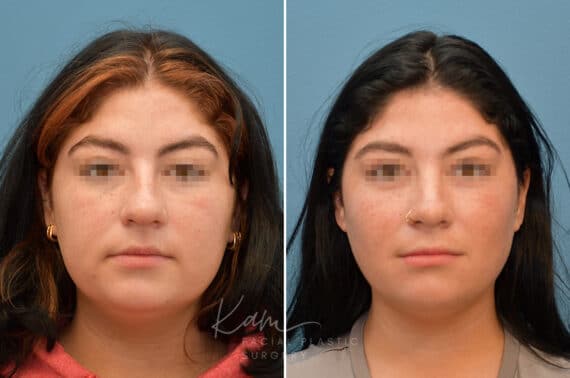
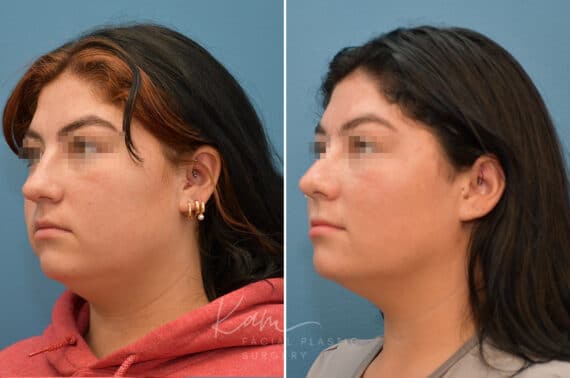
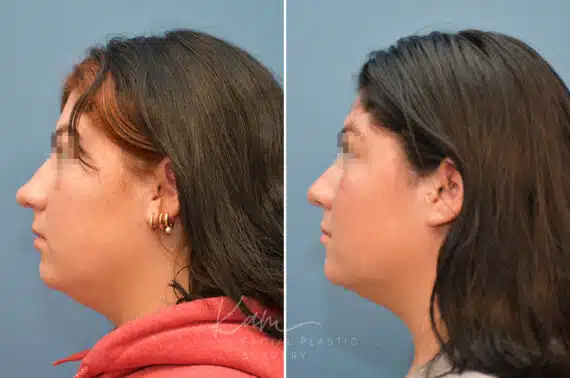
* All patients are unique and individual results may vary.
Differences Between Ethnic Rhinoplasty and Traditional Rhinoplasty
Goals of Rhinoplasty Surgery
Traditional rhinoplasty typically aims to refine nasal shape according to traditional aesthetic standards. Ethnic rhinoplasty prioritizes improvement without erasing defining features associated with an ethnic nose or heritage.
Both approaches focus on enhancing facial balance, but ethnic rhinoplasty places stronger emphasis on preservation of cultural identity.

Approach to the Nasal Bridge and Nasal Structure
In traditional rhinoplasty procedures, reducing a prominent bump on the nasal bridge is a common objective. In ethnic rhinoplasty, surgeons may instead build or augment the nasal bridge to create definition while maintaining natural structure.
The underlying nasal structure often determines whether cartilage grafting or structural support is required.
Nasal Tip and Nostril Refinement
Refining the nasal tip requires careful attention to skin thickness and cartilage support. Ethnic rhinoplasty may involve strengthening the nasal tip or narrowing wide nostrils.
Techniques vary depending on individual anatomy and desired rhinoplasty outcomes.
Preservation of Cultural Identity
One defining difference between ethnic and traditional rhinoplasty is the focus on preserving ethnic identity. Ethnic rhinoplasty seeks to enhance appearance without creating features that appear inconsistent with a patient’s background.
Why Nasal Anatomy Matters in Rhinoplasty Procedures
Nasal anatomy plays a significant role in determining surgical technique and results. Factors such as skin thickness, cartilage strength, nasal bridge height, and nostril shape influence surgical planning.
For example, Asian rhinoplasty might focus on augmenting the nasal bridge, while African American rhinoplasty or Hispanic rhinoplasty could involve structural tip support or nostril refinement. Each approach reflects the diversity of nasal anatomy rather than a single standard.
A personalized evaluation ensures that rhinoplasty surgery aligns with the patient’s goals and natural facial structure.
Ethnic vs Traditional Rhinoplasty Recovery
Recovery after rhinoplasty varies depending on the techniques used and the complexity of the procedure. Patients typically experience swelling, bruising, and temporary congestion during the initial healing period. In some ethnic rhinoplasty procedures, structural grafting or augmentation of the nasal bridge or nasal tip may result in increased swelling or a longer period for final definition to develop.
Most individuals return to daily activities within one to two weeks, while final rhinoplasty results gradually develop over several months as swelling resolves.

Discover how Dr. Joana Kam’s personalized techniques can help you achieve stunning results
Book your consultation in New Jersey now!
Risks and Considerations for Rhinoplasty Surgery
Like any plastic surgery procedure, rhinoplasty involves potential risks. These may include:
- Swelling or prolonged healing
- Asymmetry
- Breathing changes
- Scarring
- Need for revision rhinoplasty
Working with a qualified rhinoplasty specialist helps reduce risks and supports safe, predictable outcomes. Careful planning and realistic expectations are essential.
Does Ethnic Rhinoplasty Change Your Identity?
A common concern among rhinoplasty patients is whether ethnic rhinoplasty changes their facial identity. The goal of ethnic rhinoplasty is not to alter cultural heritage but to enhance existing features while maintaining a natural appearance.
Modern facial plastic surgery techniques allow refinement of the nose without eliminating defining characteristics. The result should complement facial features and support one’s confidence while preserving cultural identity.
Who is a Candidate for Rhinoplasty?
Candidates for rhinoplasty procedures are typically healthy individuals seeking improvement in nasal shape, proportion, or function. Patients may consider rhinoplasty if they:
- want refinement of the nose while maintaining natural facial balance
- want changes that preserve cultural identity or defining features
- have structural concerns affecting appearance or breathing
- want a surgical plan tailored to their individual anatomy and goals
A consultation helps determine the most appropriate surgical approach based on nasal structure, preferences, and expectations.

Why Surgeon Experience Matters in Ethnic Rhinoplasty
Ethnic rhinoplasty requires a deep understanding of facial plastic surgery techniques and diverse nasal structures. Achieving natural rhinoplasty results while preserving identity requires careful planning, technical precision, and experience.
Dr. Joanna Kam is a facial plastic surgeon specializing in rhinoplasty procedures and personalized surgical care. Her approach focuses on understanding each patient’s goals, anatomy, and expectations to create balanced results.
Benefits of a Personalized Rhinoplasty Approach
A customized rhinoplasty procedure offers several advantages:
- improved facial harmony
- natural-looking results
- preservation of ethnic identity
- balanced nasal proportions
- individualized surgical planning
Personalized care helps ensure the procedure aligns with each patient’s facial features and goals.
Why Patients Choose Dr. Joanna Kam for Rhinoplasty in Sewell and Voorhees, New Jersey
Dr. Kam provides specialized facial plastic surgery with a patient-centered approach. Her focus on precision, safety, and individualized treatment helps patients achieve natural-looking rhinoplasty outcomes.
At Kam Facial Plastic Surgery, consultations include a detailed evaluation of nasal structure, a discussion of goals, and development of a personalized surgical plan.
Schedule Your Rhinoplasty Consultation in Sewell or Voorhees Township
Patients considering ethnic rhinoplasty or traditional rhinoplasty can schedule a consultation at Kam Facial Plastic Surgery in Sewell or Voorhees, New Jersey. A personalized evaluation helps determine the most appropriate approach based on anatomy, goals, and expectations.