

Quick answer: Massage after blepharoplasty should begin only after your surgeon confirms it is safe. Use clean hands, very light pressure, and slow, gentle movements while avoiding direct pressure on the incision. Because upper and lower eyelid techniques may differ, follow your surgeon’s specific instructions.
Have you recently undergone eyelid surgery and are wondering how to optimize your recovery? Blepharoplasty, or eyelid lift surgery, is one of the most popular facial cosmetic procedures, but few patients are informed about the significant impact of proper aftercare, including massage, on their healing. Learning how to massage correctly after blepharoplasty can make a noticeable difference in swelling, comfort, and scar healing when done at the right time and with the surgeon’s approval. When performed properly, certain techniques can also support lymphatic drainage, helping reduce fluid buildup and lingering puffiness during recovery.
Key Takeaways
- Begin eyelid massage only after your surgeon confirms it is safe.
- The correct technique depends on the procedure performed and the purpose of the massage.
- Use very light pressure without pressing on the eye or pulling the incision.
- Follow the timing and frequency recommended by your surgeon rather than a universal schedule.
- Stop massaging if you experience worsening pain, swelling, bleeding, irritation, or vision changes.
Should I Massage My Eyelids After Blepharoplasty?
Your surgeon may recommend gentle eyelid massage during recovery, but it is not appropriate for every patient or procedure. According to the American Society of Plastic Surgeons, patients should receive individualized instructions about eye care, warning signs, and follow-up after blepharoplasty. Begin massage only after your surgeon has examined the area and confirmed that the incisions have healed enough. Starting too early or using the wrong technique may irritate the tissue or interfere with healing.
How to Massage Eyelids After Blepharoplasty?
Learning how to massage after blepharoplasty properly may help reduce lingering swelling, improve tissue flexibility, and support a smoother recovery. However, the appropriate timing and technique depend on the procedure performed and how your incisions are healing.
Before beginning:
- Wait until your surgeon confirms that massage is appropriate.
- Wash and dry your hands thoroughly.
- Gently cleanse the eyelid area as directed.
- Use only products approved by your surgeon.
- Follow the technique recommended for your specific procedure.
- Do not copy another patient’s massage routine or schedule.
The correct technique may vary depending on whether you had upper or lower blepharoplasty, where the incision was placed, and whether additional procedures were performed. Follow the movements demonstrated by your surgeon. Use only enough pressure to gently move the surface skin; never press on the eyeball, pull the incision, or cause pain or discomfort.
How to Massage the Lower Eyelid After Blepharoplasty
- Use light pressure: Using the fingertip recommended by your surgeon, gently move the surface skin without pressing on the eyeball or pulling the incision.
- Follow the recommended direction: Use the movement demonstrated by your surgeon. Depending on the purpose of the massage, this may involve small, controlled movements near, but not directly on, the incision.
- Go slowly: During the first week after your surgeon clears you to begin massage, keep each session brief. Stop if the area becomes painful, tender, or irritated.
- Increase only as directed: Your surgeon will determine the appropriate duration and frequency based on your procedure and healing progress. Do not increase the pressure or number of sessions on your own.
How to Massage the Upper Eyelid After Blepharoplasty
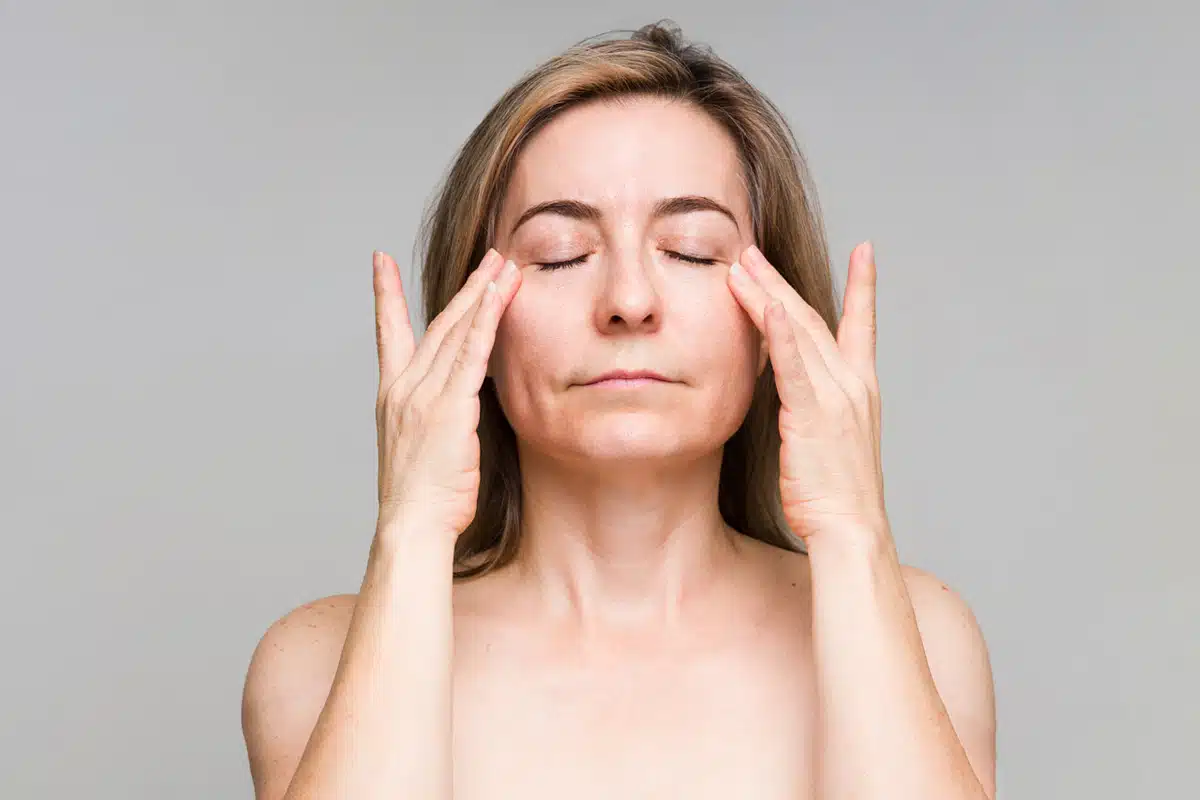
- Use gentle movements: Close your eyes and use the fingertip recommended by your surgeon to make light, controlled movements above the eyelid crease.
- Avoid the incision: Do not press directly on the incision or pull the healing skin.
- Follow the natural direction: If instructed, move gently from the inner eyelid toward the outer brow while following the brow bone.
- Follow your prescribed schedule: The appropriate duration and frequency depend on your procedure and healing progress. Do not increase either without your surgeon’s approval.
Massage Techniques Depend on the Goal
Your surgeon may recommend eyelid massage for different reasons, and the correct technique can vary depending on the concern being treated:
- Swelling: Very light, directional movements may help support fluid drainage.
- Scar firmness: Gentle massage may help soften the area once the incision is fully closed.
- Tissue tightness: Controlled movements may help improve flexibility as the eyelids heal.
- Eyelid positioning: Your surgeon may demonstrate a specific technique to address lower-eyelid pulling or positioning concerns.
Do not use one technique for every concern. The direction, pressure, timing, and frequency should be based on your surgeon’s instructions.
When and How Often to Massage After Blepharoplasty
The right time to begin and the appropriate massage schedule vary from patient to patient. Start only after your surgeon confirms that the incisions have healed enough for massage, and follow the duration and frequency recommended for your procedure. Do not increase the pressure or number of sessions without your surgeon’s approval.
When to Stop Massaging Your Eyelids
Stop massaging and contact your surgeon if you notice:
- Increased pain or tenderness
- New or worsening swelling
- Redness, warmth, or irritation
- Bleeding or discharge
- Pulling or separation around the incision
- Difficulty closing your eyes
- Blurred or double vision
- Any sudden change in vision
Massage should feel gentle and should never cause pain or pressure on the eye. Seek prompt medical attention for severe eye pain, rapidly increasing swelling, or sudden vision changes.
What Are the Benefits of Massage After Blepharoplasty?
Helps Manage Residual Swelling
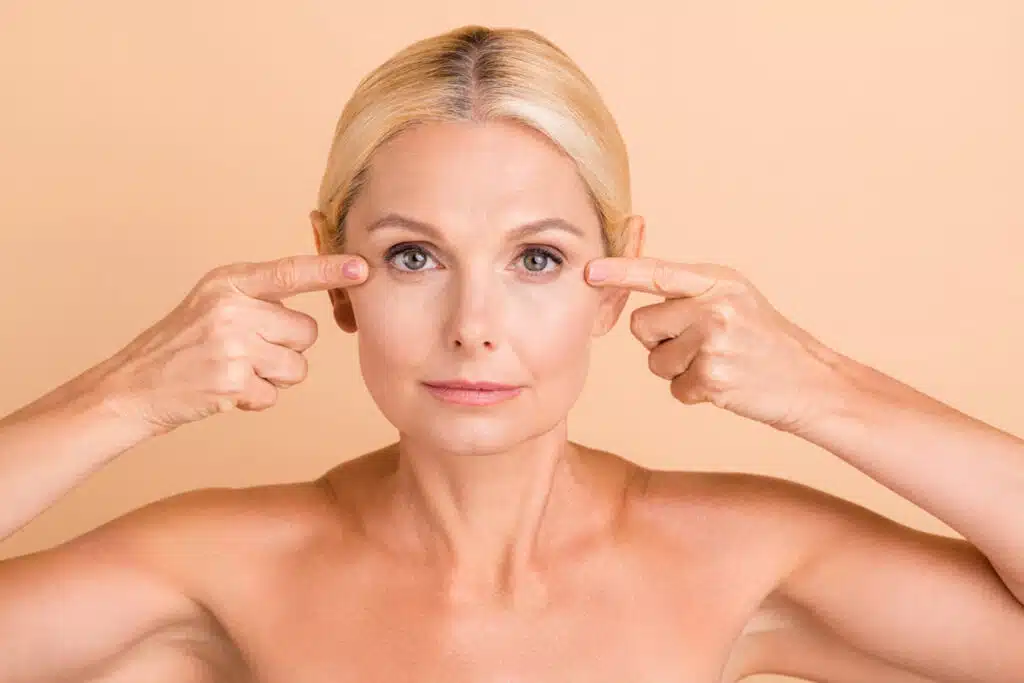
With your surgeon’s approval, very gentle massage can support the movement of localized fluid and ease lingering puffiness. Swelling and bruising also fade naturally over time, so massage should be considered one part of the recovery process rather than a way to speed healing.
Helps Relieve Tightness
Once the incision has healed and your surgeon approves massage, gentle movements can help reduce localized tightness around the treated area. Massage should never cause pain or be used to manage new or worsening discomfort. Contact your surgeon if pain increases or does not improve.
Supports Scar Softening
After the incision has fully closed, surgeon-directed scar massage can help soften localized firmness as the tissue matures. Results vary, and massage cannot guarantee that an incision line will become flat or less visible.
Supports Tissue Mobility
Gentle, surgeon-directed massage can help keep healing tissues flexible and reduce localized firmness. Results vary from patient to patient, and massage does not guarantee faster tissue repair or recovery.
Lymphatic Drainage Massage After Blepharoplasty
Some postoperative swelling is caused by fluid collecting in the tissues during the normal healing process. According to a prospective study published in Frontiers in Ophthalmology, severe swelling after upper blepharoplasty was associated with lower lymphatic-vessel density. This finding supports the role of the eyelid’s lymphatic network in postoperative swelling, although the study did not evaluate massage as a treatment.
Unlike massage intended for scar firmness or tissue tightness, lymphatic-style massage uses very light, directional movements without deep pressure. Because the eyelid area is delicate, begin only after your surgeon confirms that the tissue has healed enough and demonstrates the appropriate direction and technique.
Regular Massage vs. Lymphatic Drainage After Blepharoplasty
Both approaches can be used during recovery, but they serve different purposes. The appropriate technique depends on the concern being treated and your surgeon’s instructions.
| Regular Massage After Blepharoplasty | Lymphatic Drainage Massage After Blepharoplasty |
|---|---|
| Can address localized tightness, firmness, or tissue mobility | Focuses on supporting the movement of localized fluid |
| Uses gentle movements prescribed for a specific concern | Uses very light, directional movements |
| The direction and pressure depend on the treatment goal | Pressure remains light to avoid stressing healing tissue |
| Can be used for scar care after the incision has fully closed | Can be recommended for selected patients with persistent swelling |
| Should follow a surgeon-prescribed schedule | Should follow a surgeon-prescribed technique and schedule |

Secure Your Safe Treatment Experience with Dr. Kam
Join our satisfied clients who’ve experienced safe, effective treatments.
patient results
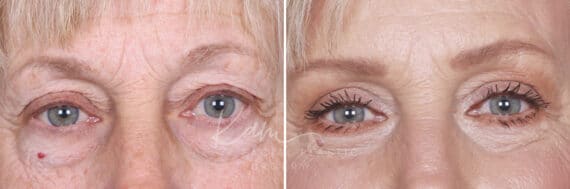
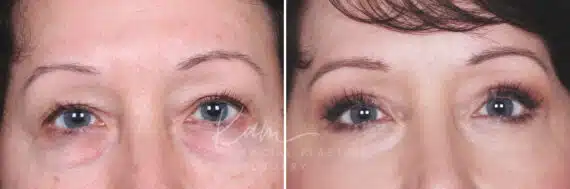
* All patients are unique and individual results may vary.
Why Your Choice of Eyelid Surgeon Matters
Choosing a qualified surgeon is especially important for a delicate procedure such as blepharoplasty. The eyelids affect both appearance and eye function, so proper surgical planning and individualized postoperative care are essential.
Dr. Joanna Kam is double-board-certified in facial plastic surgery and otolaryngology–head and neck surgery. She provides personalized care for facial rejuvenation and reconstructive procedures, including upper- and lower-eyelid surgery. Call 856-565-2903 or visit the contact page to schedule a consultation.
Frequently Asked Questions About Eyelid Massage After Blepharoplasty
About the Author
Dr. Joanna Kam is a board-certified otolaryngologist and fellowship-trained facial plastic surgeon at Kam Facial Plastic Surgery, with offices in Sewell and Voorhees Township, NJ. She completed her facial plastic and reconstructive surgery fellowship at the University of Pennsylvania and focuses exclusively on the face and neck.
Known for natural-looking results and a patient-first approach, she helps each person choose the technique that fits their anatomy and goals.