

Have you recently undergone a facelift and found yourself wondering, “What now?” The healing process is just as important as the surgery itself—and one key step that often surprises patients is the power of a simple facial massage. Done right, it can significantly enhance your recovery.
In fact, post-operative care can make all the difference between a good result and a truly stunning transformation. If you’re curious about how facial massage fits into the facelift recovery process, read on. This guide will walk you through what you need to know to heal faster and look your best.

Should You Massage Your Face After a Facelift?
Yes, but timing, technique, and guidance matter. Facial massages, especially lymphatic massage, can help reduce swelling, ease discomfort, and support circulation during the facelift recovery process. However, not all massages are safe immediately after surgery. Post-surgery massages should always be approved by your facelift surgeon, ideally starting a few weeks after the procedure. These gentle massages, particularly those targeting lymphatic drainage, can accelerate healing and improve overall results when done correctly.
Benefits of a Lymphatic Massage After Facelift Surgery
Lymphatic facial massage offers powerful support for facelift patients during the healing phase. When done properly and at the right time, it can help stimulate the lymphatic system, encourage faster recovery, and improve overall comfort after the procedure. These massages focus on gentle techniques that target the facial tissues, enhancing the outcome of your treatment and helping you feel like yourself again sooner.
Improves blood circulation
Post-operative facial massage boosts microcirculation, which plays a crucial role in recovery after a facelift or other cosmetic procedures. By stimulating blood flow, massage helps deliver fresh oxygen and essential nutrients directly to the healing tissues. This increased circulation supports cell repair, encourages collagen production, and can even help the skin regain its natural vitality more quickly. As a result, patients often experience healthier-looking skin and a more efficient overall healing process.
Reduces swelling
Swelling is one of the most common side effects after facial surgery, and lymphatic massage is specifically designed to address it. Gentle, rhythmic strokes guide excess fluid toward the lymph nodes, where it can be more easily drained from the body. This promotes faster decongestion and helps reduce puffiness that may otherwise stick around for weeks. By actively supporting the body’s natural drainage system, patients often see noticeably faster improvement in facial contour and symmetry.
Relieves post-operative pain
After a facelift, muscles and connective tissues can feel tight, tender, or strained. A light, properly guided massage can help relieve this discomfort by loosening tense facial muscles and decreasing the pressure caused by fluid buildup. Improved circulation also warms the tissues and helps soothe soreness. Many patients report that incorporating gentle massage into their recovery routine gives them a sense of relief and helps them feel more comfortable throughout the healing process.
Minimizes inflammation
Inflammation is a natural part of healing, but too much of it can slow recovery and prolong discomfort. Regular lymphatic or post-operative massage helps stabilize the inflammatory response by calming irritated tissues and encouraging the body to clear inflammatory byproducts more efficiently. This leads to a smoother recovery, less redness, and a lower chance of prolonged swelling or sensitivity. Over time, reduced inflammation can also contribute to more refined and predictable surgical results.
Effective Lymphatic Facial Massage Techniques for Facelift Recovery
Mastering the right facial massage methods after surgery can be a game-changer in your recovery. These approaches not only aid in physical healing but also contribute to a smoother, more refined outcome. By following the proper lymphatic massage technique and understanding how to adapt your routine during healing, you can actively support your body’s natural regenerative processes.
In this section, we’ll explore practical massage tips you can incorporate post-surgery to feel better, faster, while ensuring your results are as stunning as intended.
Gentle Pressure
After a facelift, your skin is particularly sensitive and prone to irritation, so it’s essential to approach post-surgical care with care and precision. Gentle massages using light pressure can help stimulate healing without stressing delicate tissues. Use the pads of your fingers and make slow, circular motions across the cheeks, jawline, and forehead. These gentle touches encourage circulation, reduce tension, and allow your skin to adjust gradually as it recovers from surgery. Always start with clean hands and a soft touch—your healing skin will thank you.
Lymphatic Drainage
Lymphatic drainage massage is a specialized technique designed to move fluid away from swollen areas and back into the body’s lymphatic system. After a facelift, this method helps reduce swelling and promotes faster recovery by encouraging the natural detoxification process. Use soft, rhythmic strokes starting from the center of the face and moving outward, always following the direction of lymph flow. This gentle approach minimizes stress on healing tissues and supports circulation, making it an ideal choice for patients looking to enhance their results without compromising their recovery.
Adding Facial Exercises
Lymphatic drainage massage is a specialized technique designed to move fluid away from swollen areas and back into the body’s lymphatic system. After a facelift, this method helps reduce post-surgical swelling and promotes faster recovery by encouraging the natural detoxification process. Use soft, rhythmic strokes starting from the center of the face and moving outward, always following the direction of lymph flow. This gentle approach minimizes stress on healing tissues and supports circulation, making it an ideal choice for patients looking to enhance their results without compromising their recovery.

Secure Your Safe Treatment Experience with Dr. Kam
Join our satisfied clients who’ve experienced safe, effective treatments.
Tips for Reducing Swelling During Healing
Post-operative swelling is a natural part of the facelift recovery process, especially in the lower face and neck, but that doesn’t mean you can’t manage it effectively with only a facelift massage. By taking the right steps early on, you can help your body stay on track and reduce overall facelift recovery time. Gentle strategies that support your natural healing processes can make a big difference in both how you feel and how quickly you see results.
Keep Your Head Elevated
One of the simplest yet most effective ways to reduce swelling after a facelift is to keep your head elevated at all times—especially during sleep. Elevation helps fluids drain away from the surgical area rather than accumulating in the lower face and neck. Use extra pillows or a specialized facelift recovery pillow to maintain a comfortable, elevated position. This practice works with your body’s natural healing processes to minimize swelling and support a faster, smoother recovery.
Apply Cold Compresses
Cold compresses can be a powerful tool in managing swelling and discomfort after facelift surgery. Applying a soft, chilled pack to the treated areas for short intervals—typically 10 to 15 minutes at a time—helps constrict blood vessels and minimize fluid buildup. Be sure to wrap the compress in a clean cloth to protect sensitive skin and never apply ice directly. In the first 48 hours, this simple technique can provide significant relief and support your body’s healing without interfering with the surgical results.
Avoid Strenuous Activities
During the initial stages of recovery, it’s important to avoid strenuous activities such as heavy lifting, vigorous exercise, or anything that raises your heart rate significantly. These actions can increase blood pressure and cause swelling or even bleeding in the treated areas. Giving your body the rest it needs allows surgical sites—especially in the lower face and neck—to heal without interference. Always consult your surgeon before resuming your regular fitness routine to ensure your body is ready for the added stress.
Eat Well and Stay Hydrated
Nutrition plays a vital role in recovery, especially after a facial procedure like a facelift. Eating a balanced diet rich in vitamins, antioxidants, and lean proteins can support tissue repair and reduce inflammation. Staying hydrated is equally important—it helps flush out toxins, supports lymphatic drainage, and keeps your skin looking healthy and resilient. Aim for whole foods, limit sodium, and drink plenty of water throughout the day to give your body the fuel it needs for a smoother healing process.
Professional Physical Therapy
In some cases, working with a licensed therapist who specializes in post-operative care can provide additional benefits. Professional massage techniques—especially those that incorporate lymphatic drainage—can be tailored to your healing timeline and comfort level. These providers understand how to avoid sensitive areas while maximizing the therapeutic impact. If you’re unsure about performing facial massages on your own, seeking help from a professional can ensure you’re getting the full benefit while protecting the results of your facelift.
Follow Your Surgeon’s Instructions
Your cosmetic surgeon knows the specifics of your procedure and the best course for your individual recovery. Carefully following their post-operative instructions helps you avoid side effects, manage pain and discomfort, and protect the integrity of your results. These guidelines are tailored to ensure safe healing and to make sure your facelift journey stays on track. Whether it’s about massage timing, medication, or activity restrictions, trusting your surgeon’s advice is one of the most important things you can do for a successful recovery.
Real Facelift results
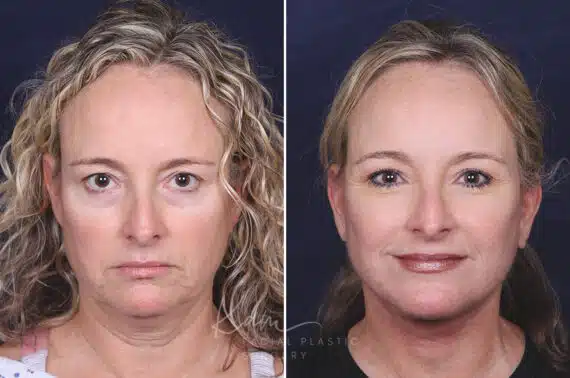
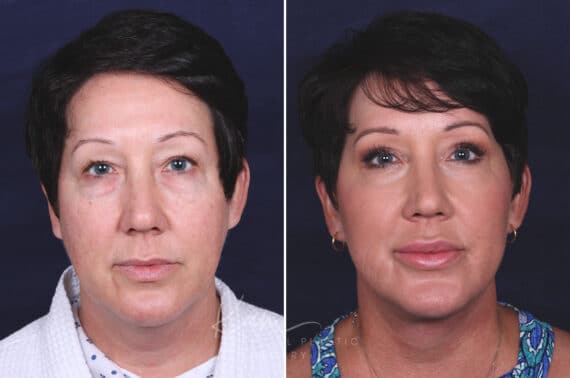
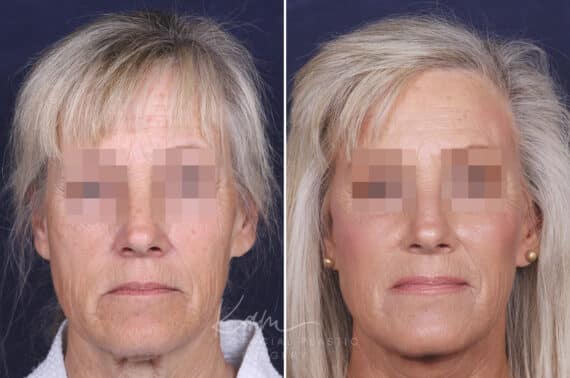
* All patients are unique and individual results may vary.
Schedule a Consultation at Kam Facial Plastic Surgery Today
Choosing the right facelift surgeon is crucial to achieving safe, beautiful, and long-lasting results. Post-surgery recovery—including steps like massage—is a delicate phase that benefits from expert oversight. An experienced surgeon understands how to guide you through this stage to avoid complications and ensure optimal healing.
Dr. Joanna Kam is a double-board-certified specialist in facial plastic surgery and otolaryngology-head and neck surgery. She is widely recognized for her expertise in aesthetic rejuvenation, reconstructive procedures following skin cancer removal, and cosmetic enhancements like the facelift and neck lift. Ready to take the next step in your journey? Call us at 856-565-2903 or visit our contact page to schedule a consultation today.